
First time in Cyprus
What to know before travelling to Cyprus
Distances, currency, language, driving on the left and a few customs worth understanding before you land.
12 May 2026 · 6 min read
By olé · Updated on 23 September 2026
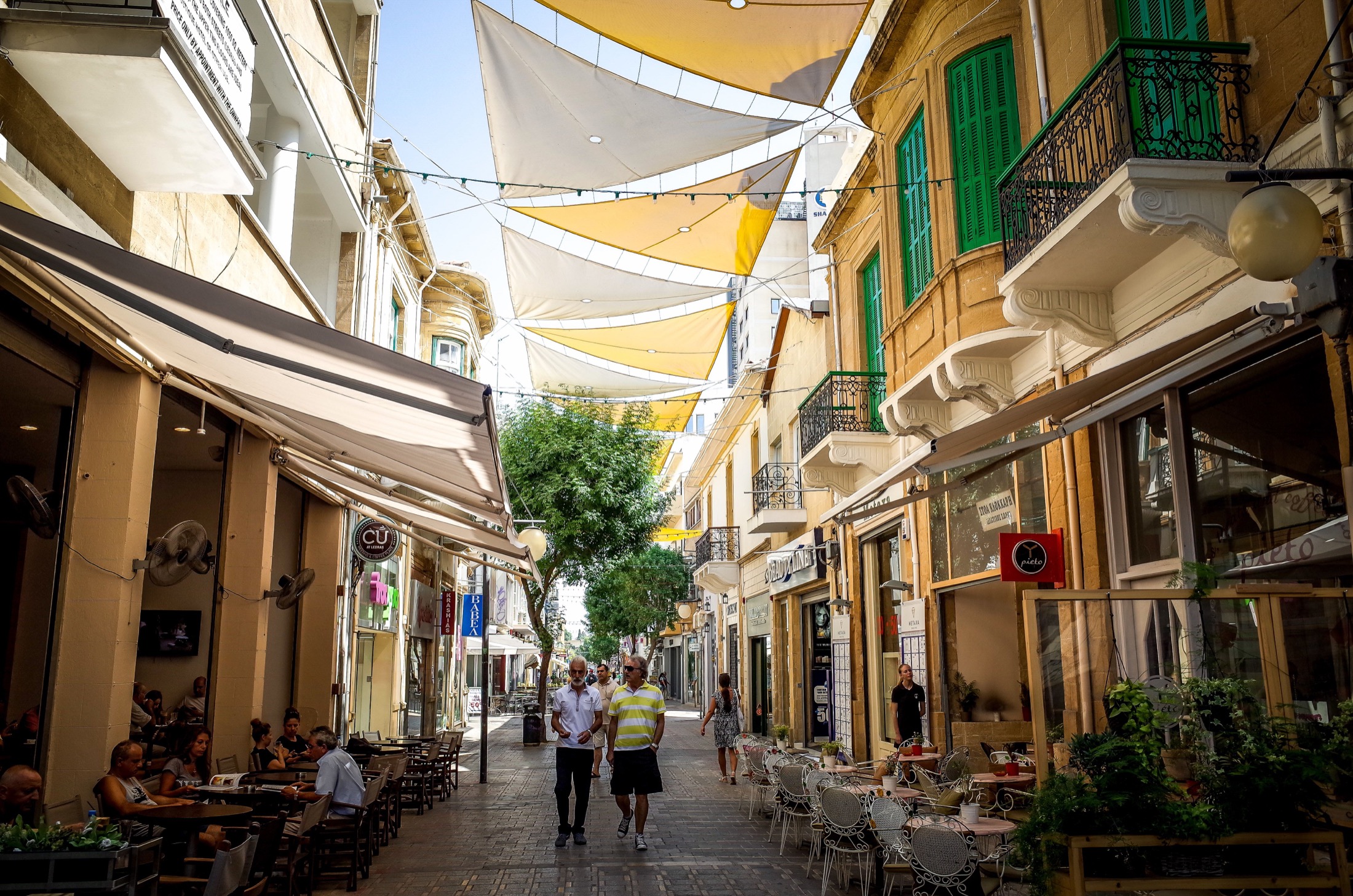
The first time we landed in Cyprus, we thought the usual Mediterranean island essentials would be enough: swimwear, a little sunshine and no desire to watch the clock. In some ways, yes. In others, no.
Cyprus looks like what you expect… until it does not. Distances can be deceptive, people drive on the left, English opens almost every door, and yet there are customs and rhythms worth getting a feel for before you arrive. This is what we wish we had understood on day one.
The island is small, but a weekend is not enough
It looks compact on the map. On the road, less so. Larnaca to Paphos can take more than an hour and a half without traffic. Protaras to Limassol, almost two. Heading up to Troodos adds bends, changes in elevation and a different pace.
Visitors from Spain often plan too much for the first day: beach in the morning, village in the afternoon, city in the evening. It fits on paper. In practice, heat, parking and roundabouts eat into your spare time.
Choose a base and explore within a sensible radius. If you are in the east, explore the east. If you are in the west, explore the west. Crossing the whole island every morning is the quickest way to return tired after seeing very little. To get your bearings by area, start with Places.
Euros, and prices that feel European
Areas under the control of the Government of the Republic of Cyprus use the euro. The north uses the Turkish lira: if you plan to cross, read our guide to visiting northern Cyprus.
What can surprise you is how the prices feel: a coffee with a view, dinner by the sea or a hire car in high season may cost more like an established Spanish destination than a "cheap" island in the east. It is not unwelcoming; it simply is not automatically a bargain.
Bringing a card that works well abroad and some cash for taxis, small tips or bus fares is still a good idea. In many places, card payment is the norm; in others, especially away from the busiest tourist coast, cash still helps.
English almost everywhere, Greek when the trip gets interesting
In hotels, beach restaurants, car hire offices and shops in the most visited areas, English works. It really does. Visitors arriving from Spain often breathe a sigh of relief as soon as they order their first coffee.
Greek (and Turkish in the north) is the language of everyday life. You do not need to master it, but a "kalimera", an "efcharistó" or a clumsy attempt to read a sign changes the warmth of a conversation. In mountain villages or neighbourhood bakeries, that gesture makes a difference.
The practical approach: do not assume everyone wants to speak English all the time, but do not let that hold you back either. Patience and a smile will get you through almost any menu.
Driving on the left: those daunting first kilometres
Yes: in Cyprus you drive on the left, as in the United Kingdom. The steering wheel is on the right. The first roundabouts feel like a test. Then you get used to it.
The biggest surprise is not just the side of the road but the driving style: more direct, sometimes more abrupt, with overtaking that may feel hurried to a Spanish driver. The main motorways are good; mountain roads call for patience and dipped headlights when needed.
If you have never driven on the left, book your car in advance and choose a manageable model. You can collect it on landing, including at night; if you are tired or do not feel confident, wait until the next day. To decide between car, bus and taxi, see getting around Cyprus.
Small customs that shape the day
The Mediterranean pace is there, but with its own nuances. In summer, the siesta is no cliché: many shops and some services close at midday. The best-known beaches fill up early; the first hours of the day and late afternoon feel like a different trip. We describe what each season feels like in seasons.
Tipping is not a rigid ritual, but rounding up or leaving a little for good service is common. In a family taverna, the personal welcome matters; on a resort terrace, the pace is different.
That way of making time for coffee and conversation has its own story: sigá sigá, the pace of Cyprus.
Cyprus is a divided island. If you decide to cross to the north, prepare your documents and check the crossing, insurance and roaming conditions before setting off.
What we would bring (and leave at home)
Proper sunscreen, comfortable footwear for stony ground and walks, a light layer for spring or autumn evenings, and something more substantial if you head up to Troodos: the air really does change there.
We would leave the idea of "seeing everything" at home. Cyprus is more enjoyable when you choose a couple of landscapes and give them time. To start by the sea, our selection of beaches near Protaras helps you choose a bay and a time of day.
If it is your first visit, start slowly. The rest of the island will still be here when you return, and it is easy to want to come back.