
Practical tips
Hiring a car in Cyprus: insurance, deposits and parking
What to check in the small print, how the excess and deposit work, and what to know about tolls, petrol and parking.
1 October 2026 · 6 min read
By olé
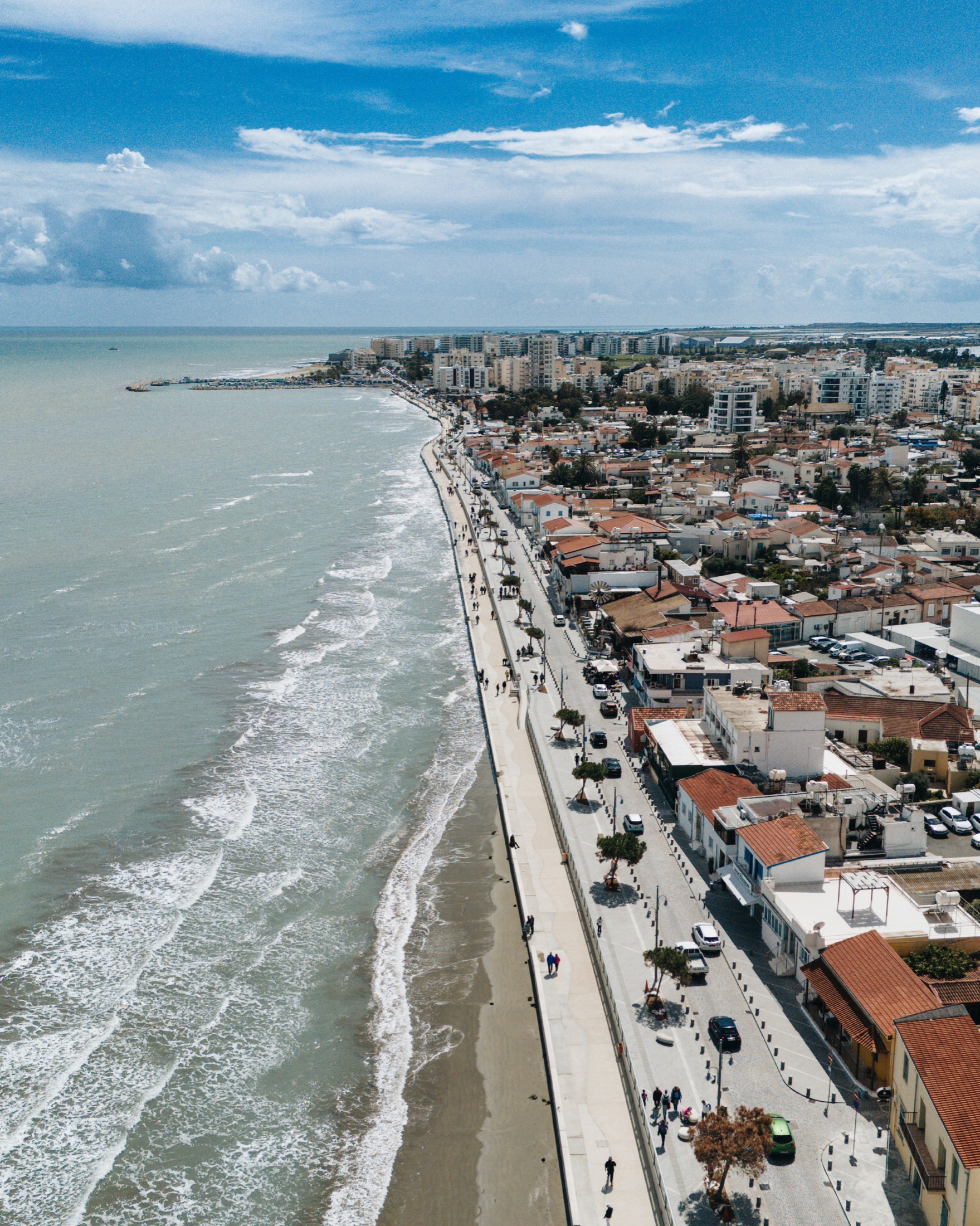
Hiring a car in Cyprus is easy. Doing it well, with clear insurance, no surprises over the deposit and an idea of where you will park, takes ten minutes of reading. This article is those ten minutes.
If you are still deciding between a car, buses or a mixture, start with getting around Cyprus. Here, we get into the small print.
Booking: early and without rushing
In high season, prices rise and availability falls, especially for small and automatic cars. Booking ahead almost always works out better than improvising at the airport desk.
Compare the final price, rather than the advertised one. A cheap deal becoming expensive at collection is a familiar story in the industry: insurance added later, charges for extra drivers, unclear fuel policies.
Read the fuel policy before signing. The most common and sensible option is "full-to-full": you collect the car with a full tank and return it the same way. Other arrangements usually work out worse.
Insurance and the excess: the part that matters
The basic insurance included usually comes with an excess: the amount you pay out of your own pocket if there is damage. It can be substantial. Fuller cover that reduces or removes it costs more per day, but buys peace of mind.
Ask specifically about tyres, glass, the underside and mirrors. They are the most common exclusions and, as it happens, the parts most easily damaged on dirt tracks or in tight car parks.
If you plan to drive along dirt tracks, with Akamas the classic example, confirm that the contract allows it. Many explicitly prohibit it, and off-road damage may be excluded from all insurance cover.
The deposit and your card
Most companies place a deposit hold on your card when you collect the car. Many require a credit card in the main driver's name. If you only have a debit card, check before booking: it is one of the most awkward surprises at the desk.
The hold may take days to be released after returning the car. It is not a charge, but it is worth knowing if your card limit is tight.
Driving: tolls, petrol and parking
Good news: there are no tolls in Cyprus. Motorways between cities are free and well maintained. The only real "toll" is getting used to driving on the left for the first few days.
Petrol stations are common in cities and on main roads, but scarce inland and in rural areas. If you are heading towards Troodos or remote areas, do not wait until the tank is nearly empty.
Parking is easier than the Mediterranean's reputation might suggest. Cities have paid car parks and regulated parking areas; at popular summer beaches, arrive early. Double yellow lines mean no parking, and this is enforced.
If you want to drive across to the north
Not all companies allow it, and the usual insurance generally does not cover the other side of the Green Line: you need to take out additional insurance at the crossing itself. It is a straightforward process, but you need to know about it before arriving there.
We explain it in detail in visiting northern Cyprus. If the north is part of your plans, get written confirmation from the hire company that you can cross.
Usual requirements
A valid licence (a Spanish one is accepted), a minimum age usually around 21-25 depending on the company and car category, and often a minimum period of holding your licence. Drivers under 25 usually pay a surcharge.
And the advice that brings it all together: a car in Cyprus is more than an expense; it is the key to half the island. But only if you hire it knowing what you are signing. Ten minutes of reading, a week of freedom.